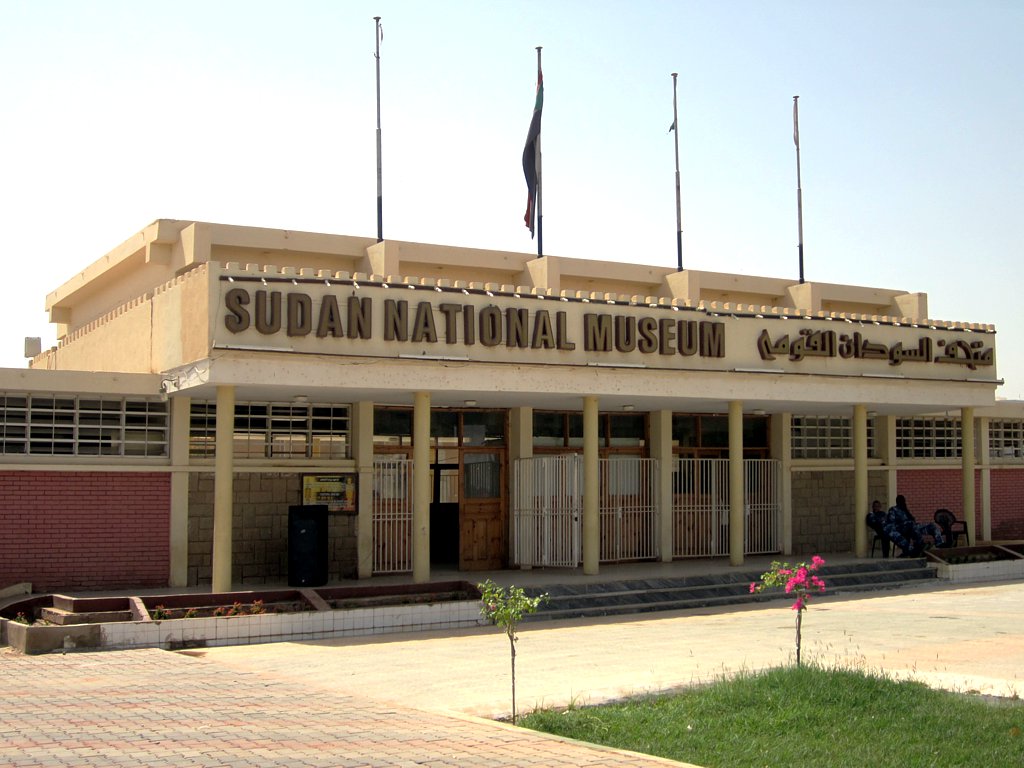
Additional artworks to view on their original collection websites. These are source-only recommendations, not missing gallery images.
Amel Bashier · 2023 · Contemporary painting · Sudan
Acrylic and ink on canvas, 195 × 195 cm. Barjeel records this work by Sudanese artist Amel Bashier as dating to 2023. The collection page shows the artwork. Image reproduction permission has not been established.
Barjeel Art Foundation · View the artwork image and details at the source.
Ibrahim El-Salahi · 1987 · Modern drawing · Sudan
India ink on Bristol boards, 65 × 315 cm. This work by Ibrahim El-Salahi is listed in Barjeel’s Sky Over The East exhibition. View the image on the collection page. Image reproduction permission has not been established.
Barjeel Art Foundation · View the artwork image and details at the source.
Rashid Diab · 1992 · Contemporary printmaking · Sudan
The gallery lists this collagraph by Sudanese artist Rashid Diab as El Jarron, 1992, measuring 11.5 × 19.5 cm (P40). It appears in an exhibition of his printmaking from the 1980s to 2000. View the work on the gallery page; permission to reproduce its image has not been established. The English title in parentheses is an editorial translation.
Red Hill Art Gallery · A Trajectory of Etchings exhibition record · P40 · View the artwork image and details at the source.
Mohammed Omar Khalil · 1980 · Printmaking · Sudan
An etching and aquatint measuring 89.5 × 60.5 cm, by the Sudanese artist Mohammed Omar Khalil. The collection titles the print Sawakin. View the work at Barjeel; image reproduction permission has not been established.
Barjeel Art Foundation · View the artwork image and details at the source.
Ahmad Shibrain · 1965 · Modern painting · Sudan
Oil, ink and watercolour on board, 57 × 56 cm. This work offers an introduction to Sudanese modernist Ahmad Shibrain, whose practice brought calligraphy into abstract art. View the painting at Barjeel; reproduction permission has not been established.
Barjeel Art Foundation · View the artwork image and details at the source.
Ibrahim El-Salahi · 1964 · Modern painting · Sudan
Oil on canvas. Barjeel's collection record relates this abstract painting to the death of the artist's father and the idea of a final spiritual passage. View the work at the source; image reproduction permission has not been established.
Barjeel Art Foundation · View the artwork image and details at the source.
Kamala Ibrahim Ishag · 2016 · Contemporary painting · Sudan
Oil on canvas. View the artwork and collection record at the source; image reproduction permission has not been established.
Sharjah Art Foundation · View the artwork image and details at the source.
Kamala Ibrahim Ishag · 2016 · Contemporary art · Sudan
Oil on a calabash-ball surface: painting meets the form of a traditional vessel. Image displayed at the source.
Sharjah Art Foundation · View the artwork image and details at the source.
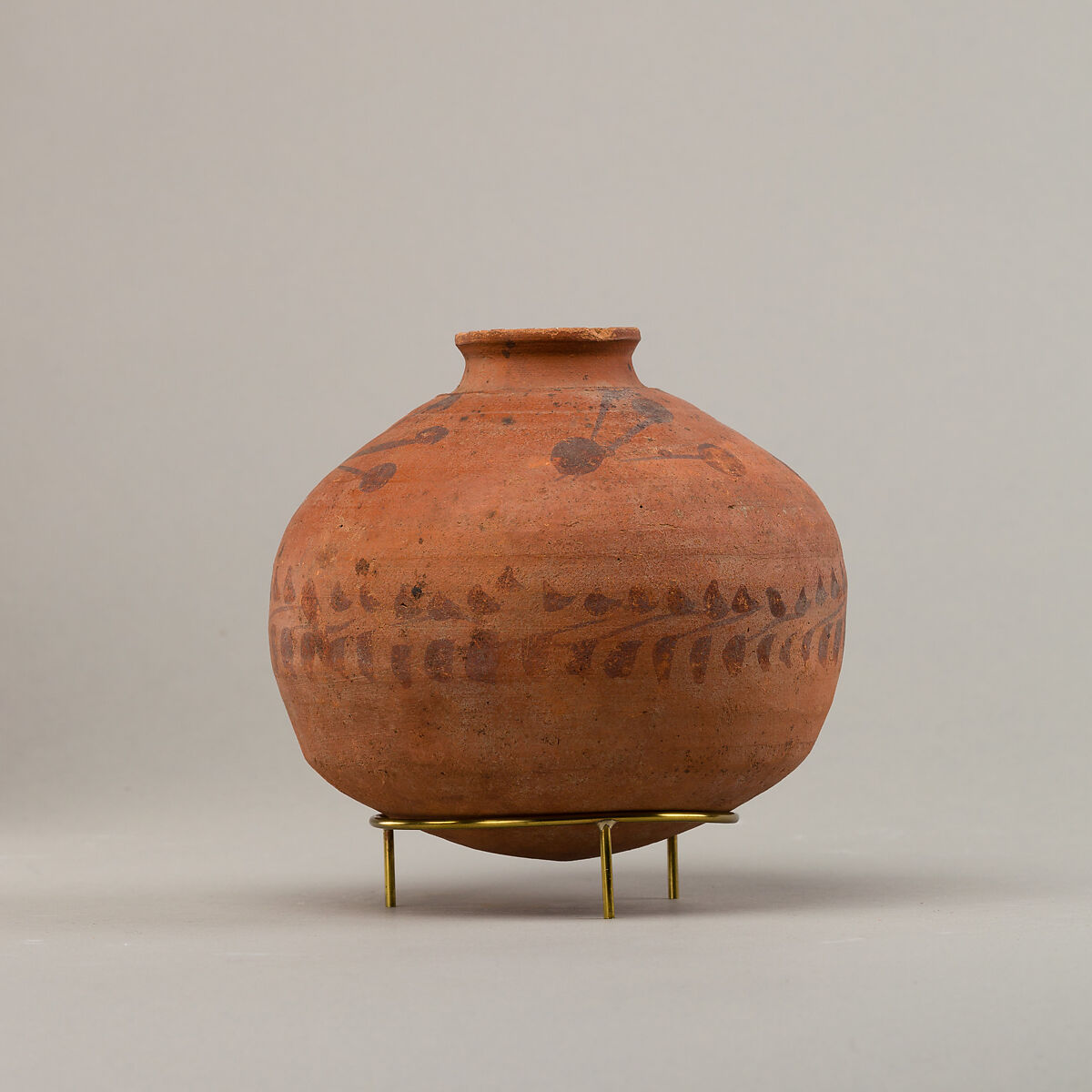 Image unavailable — view artwork at the source ↗